13.08.2026
— 11.01.2027

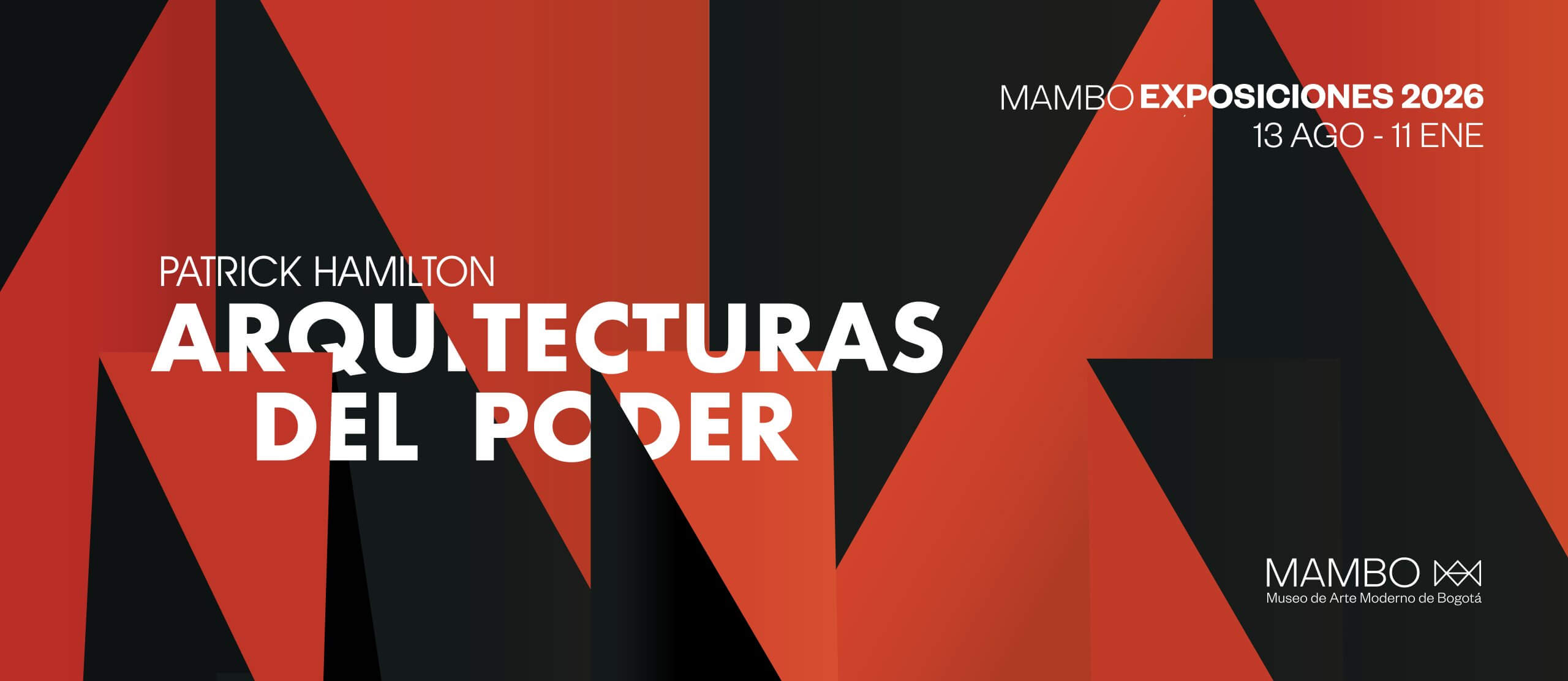
Architectures of Power.
Patrick Hamilton

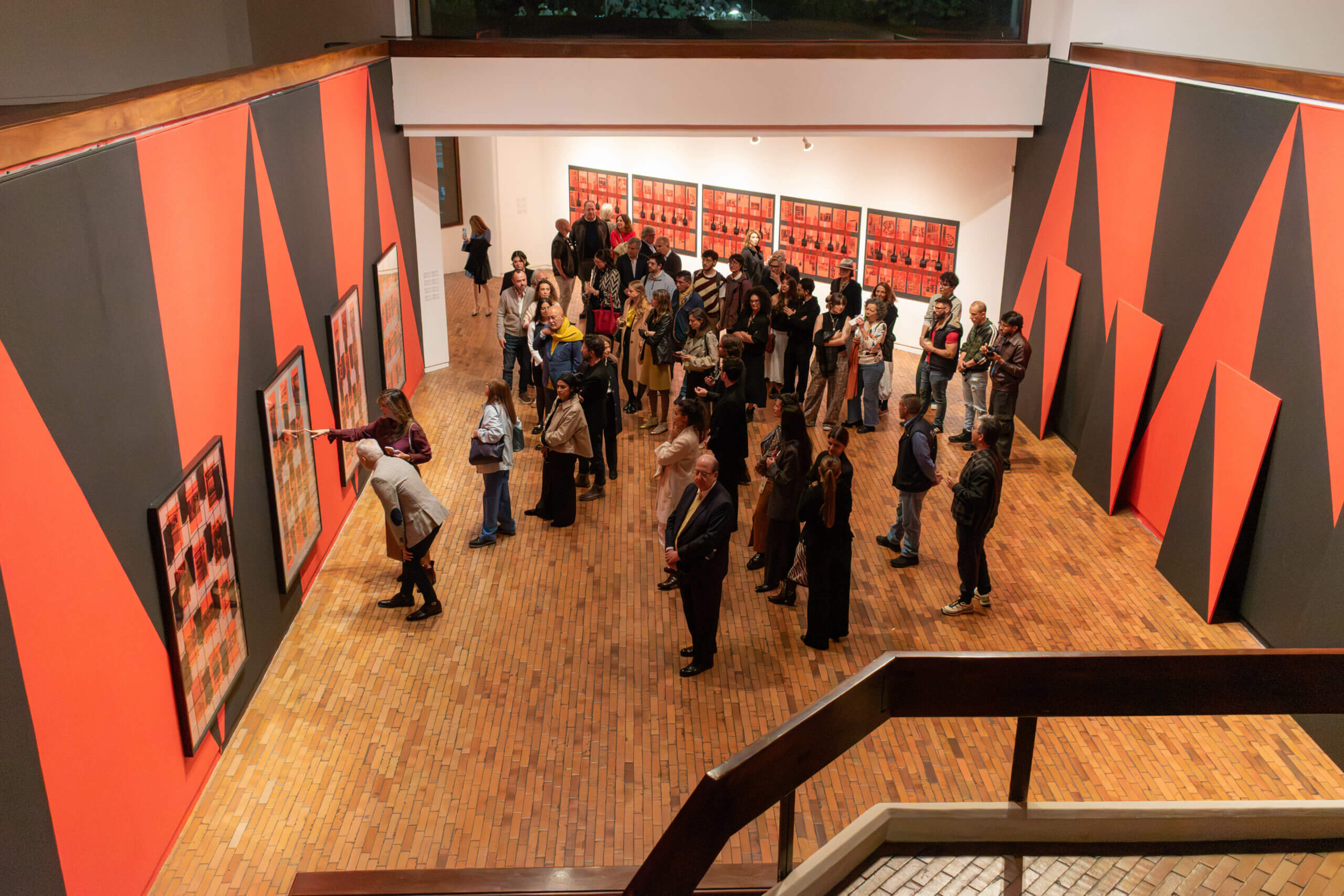
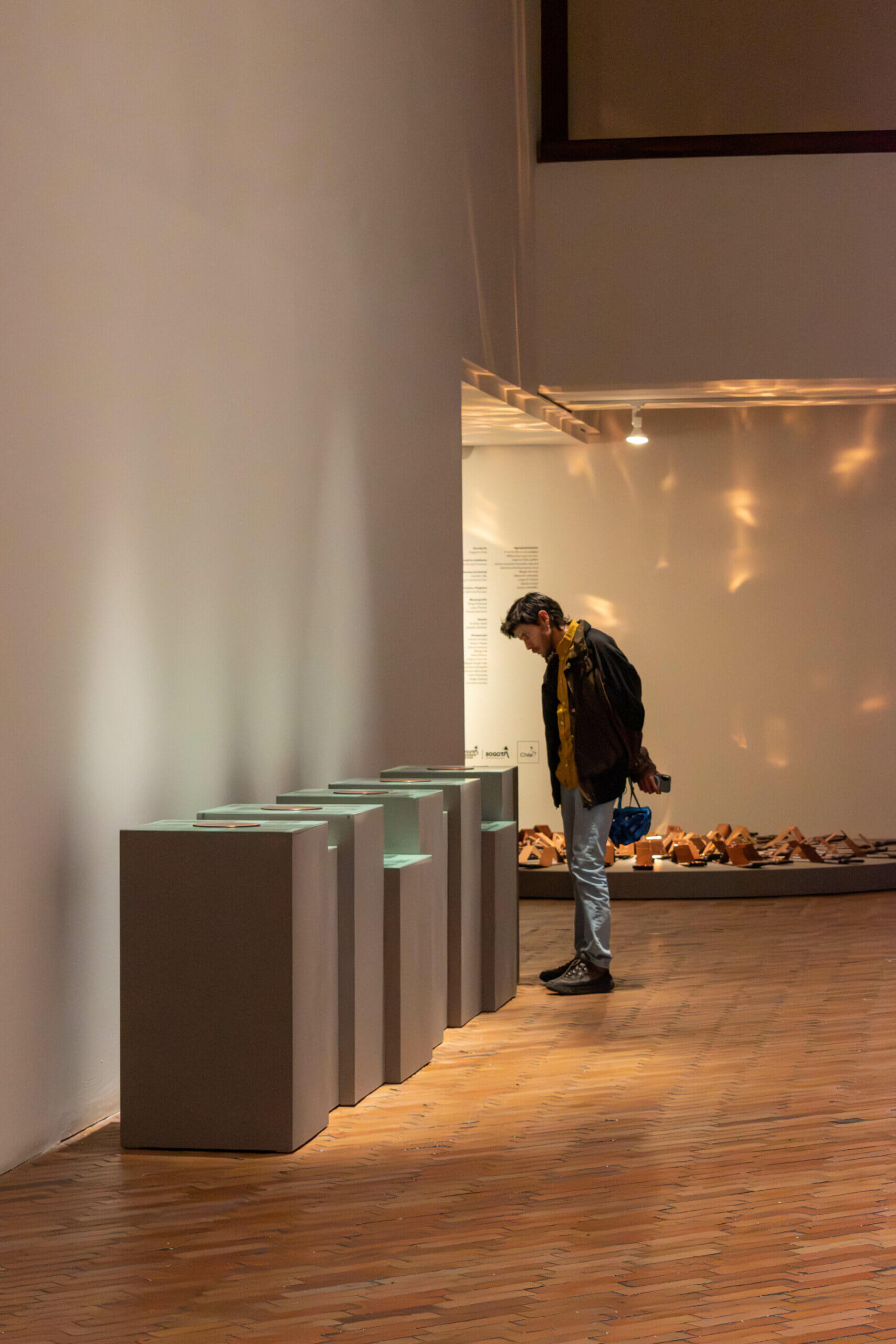
Patrick Hamilton is one of the most influential Chilean artists of his generation and among the most incisive voices in contemporary Latin American art. Arquitecturas del poder [Architectures of Power] is the first major mid-career survey of his work, bringing together more than two decades of artistic production through paintings, installations, sculptures, photographs, and site-specific interventions that examine the visible and invisible structures through which power operates.
Although deeply rooted in the political, economic, and social history of Chile, Hamilton’s work speaks to broader global realities. His practice investigates the lasting impact of dictatorship, neoliberalism, extractivism, and speculative capitalism, revealing how systems of power become embedded in architecture, urban planning, labor, and everyday life. Central to his methodology is the use of archival research, through which historical documents, photographs, institutional records, and neglected narratives become tools for interrogating official histories and their enduring consequences.

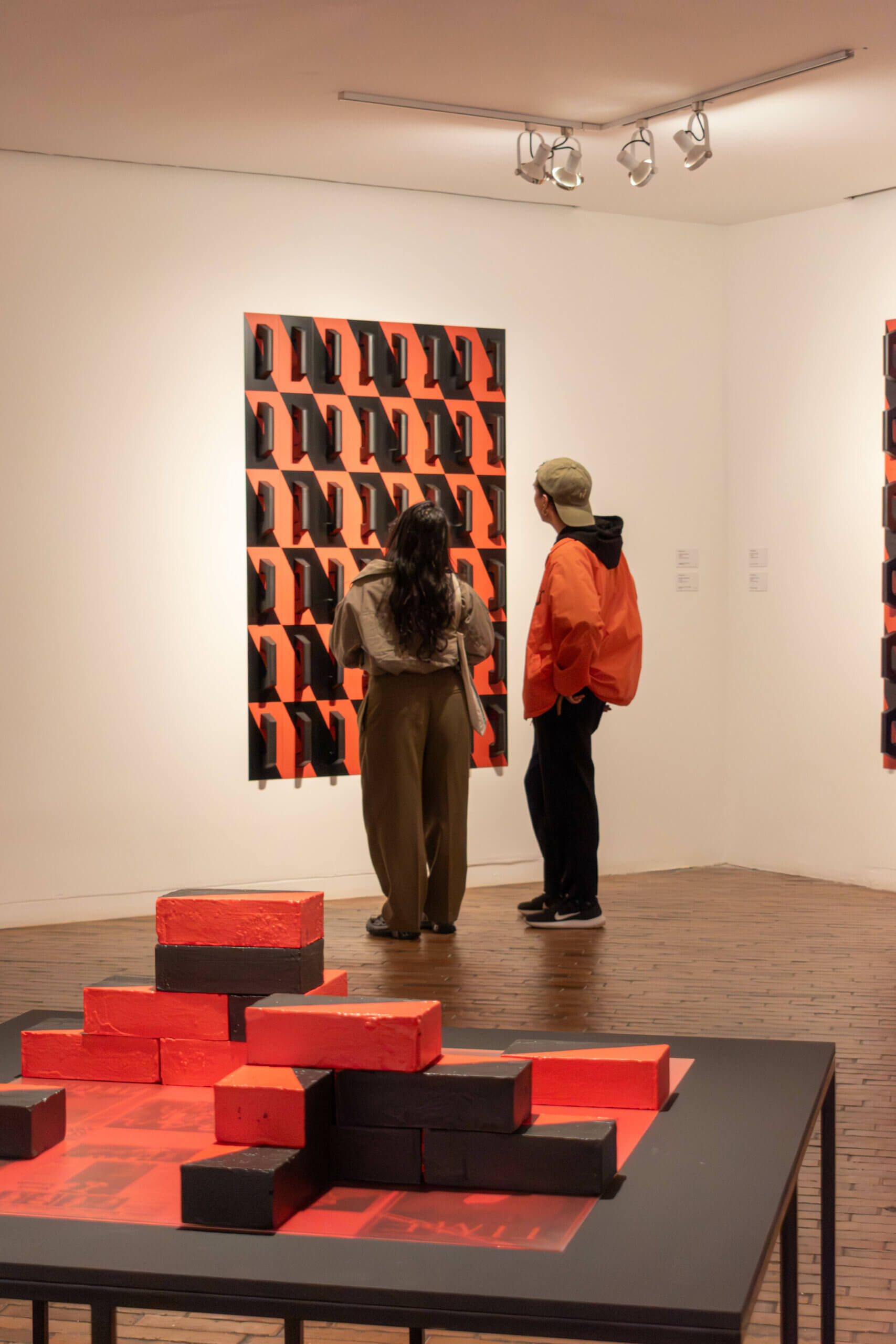
Drawing on materials associated with construction, security, and modernization—including copper, abrasive discs, construction tools, and industrial surfaces—Hamilton transforms the visual language of progress into a critical tool for exposing its contradictions.
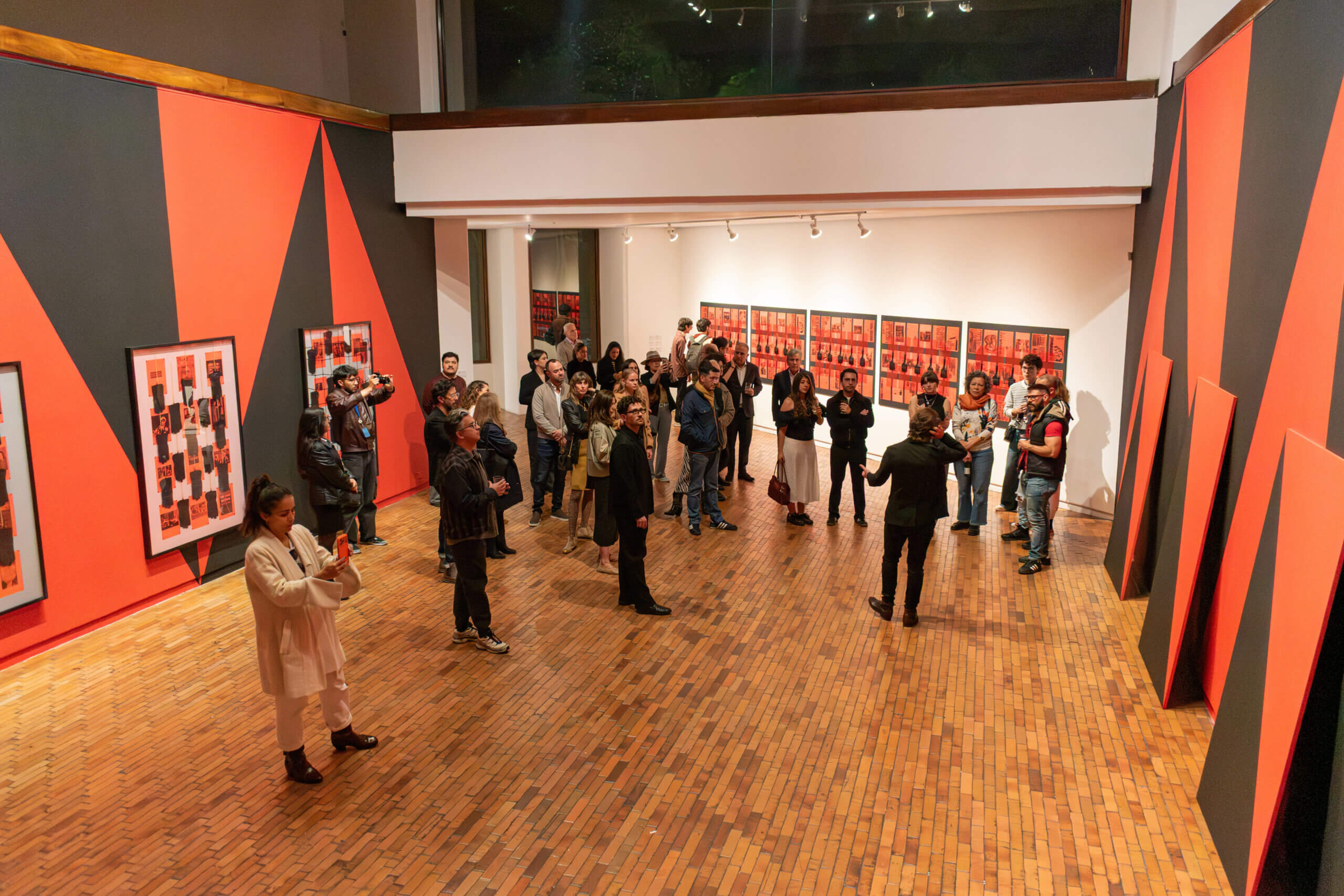
Throughout his career, the artist has consistently appropriated the formal vocabulary of modernism—its grids, geometries, modular structures, and promises of rational order—only to subvert it from within. In Hamilton’s hands, abstraction becomes political: minimalist forms reveal hidden histories of violence, exclusion, exploitation, and social engineering. What initially appears as formal elegance gradually unfolds as a reflection on the mechanisms through which ideology is naturalized and power is exercised.

Rather than presenting a chronological narrative, the exhibition unfolds in four interconnected sections, each offering a distinct entry point into Hamilton’s investigation of power and its material manifestations.
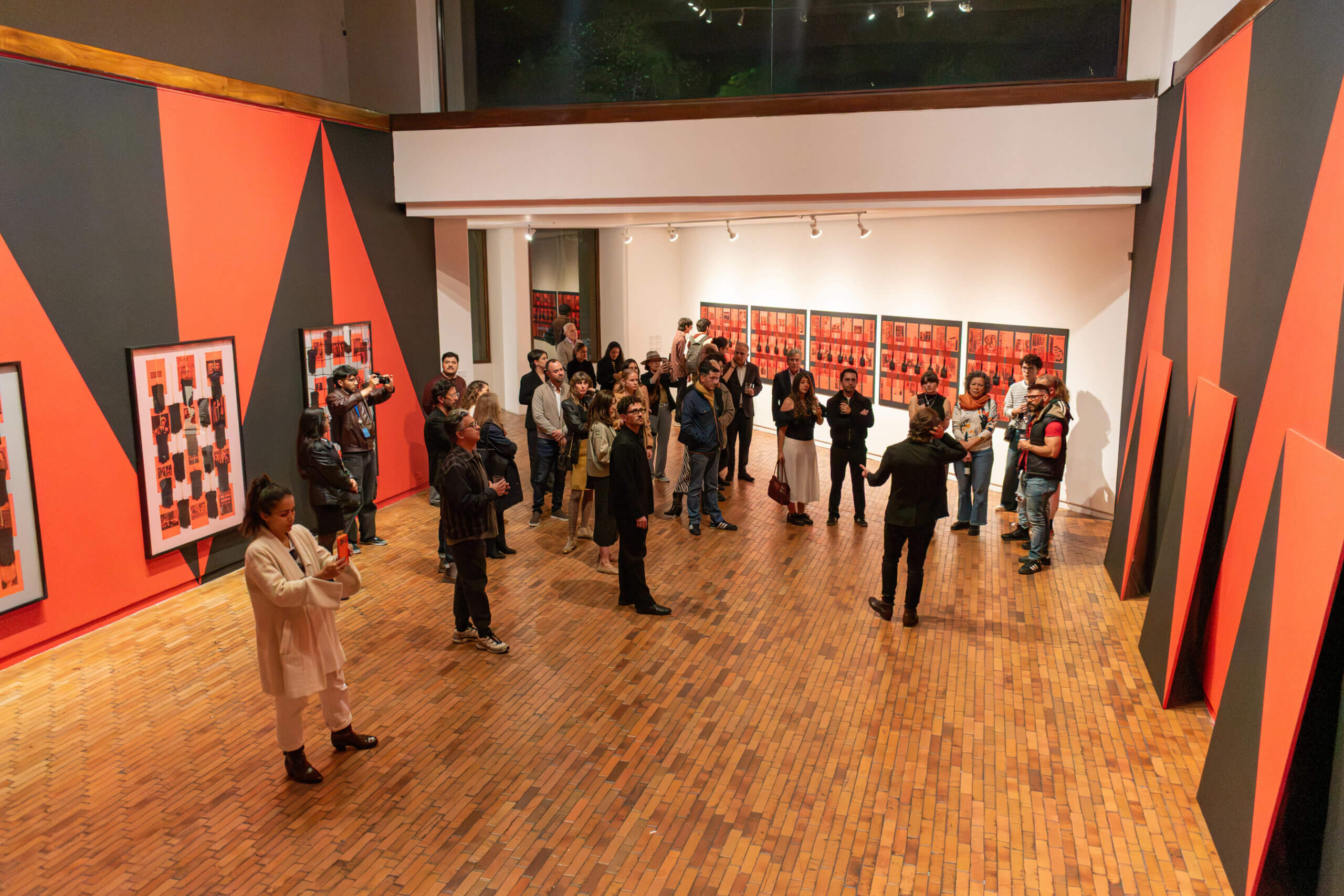
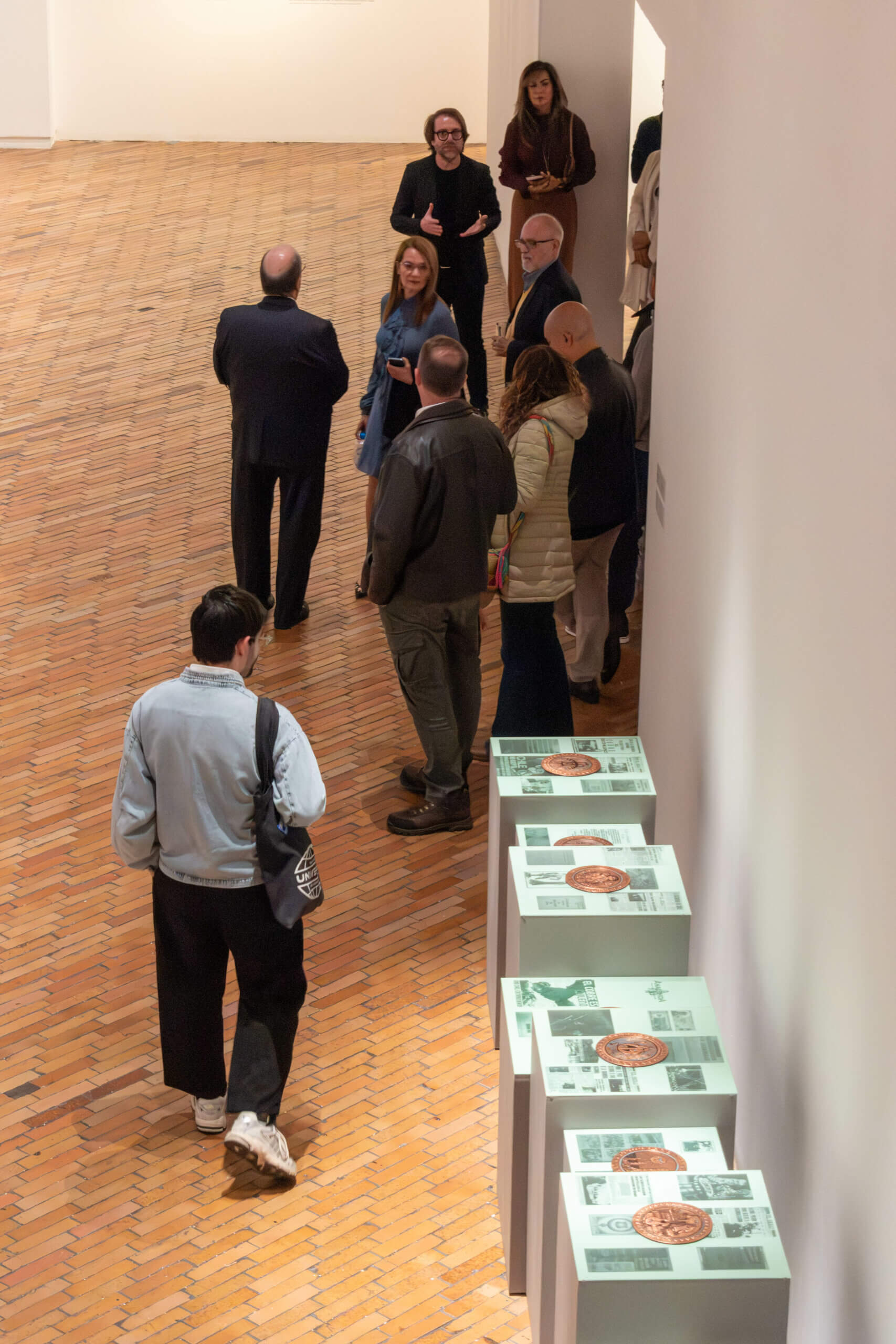
Atacama (2022-current) examines the desert as a territory shaped by extraction, labor, and geopolitical interests. Through references to mining economies and resource exploitation, the works reveal the entanglement of landscape, capital, and historical memory.
Biennale 74 (2024) revisits a little-known episode in Chilean cultural history. By exploring the intersections between artistic production, international cultural networks, and dictatorship, the section reflects on the political instrumentalization of culture during the Cold War.
Chicago Boys (2019) focuses on the economic doctrines that transformed Chile into the first large-scale laboratory for neoliberalism. The works trace the impact of these policies on architecture, urban space, labor relations, and collective life.
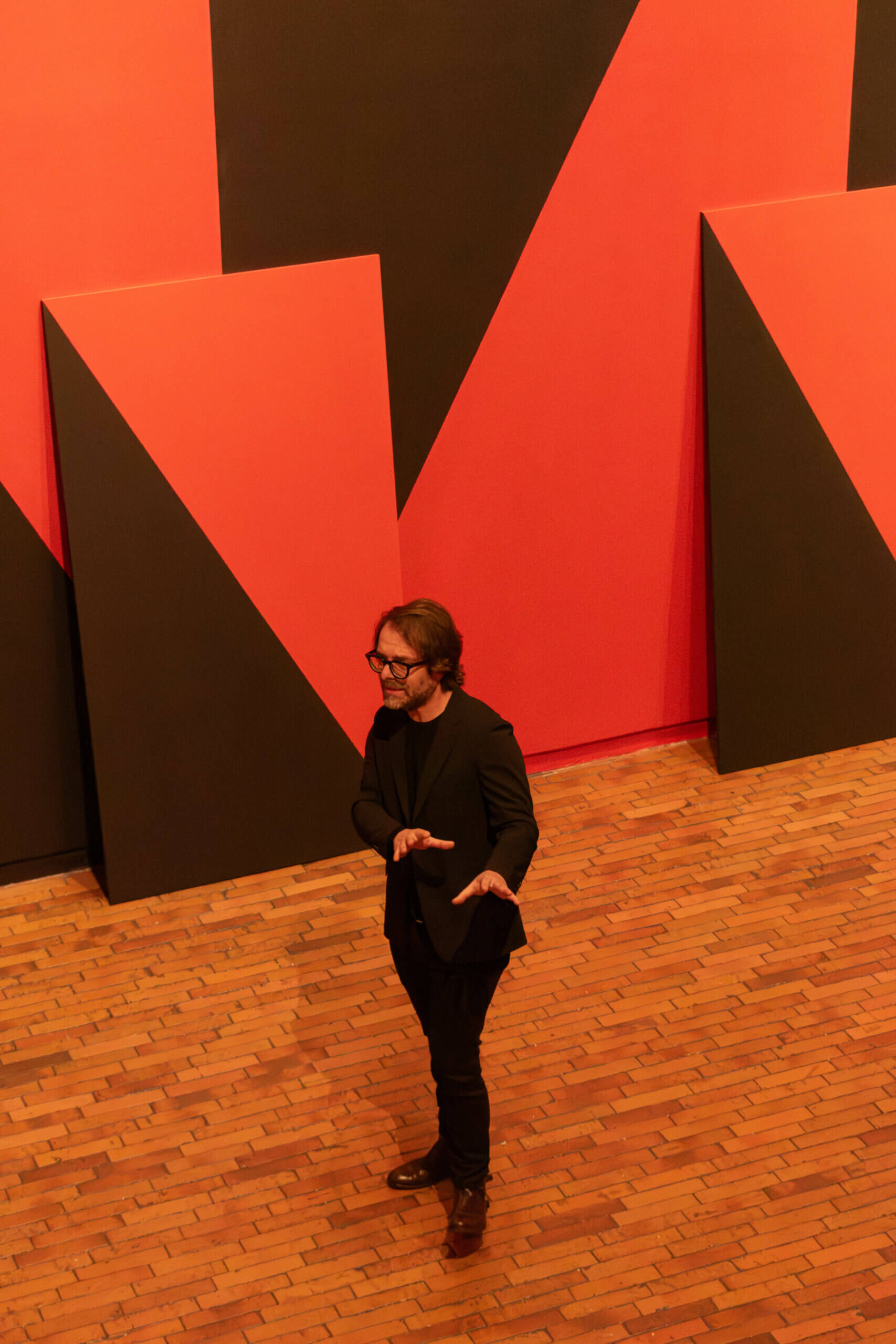
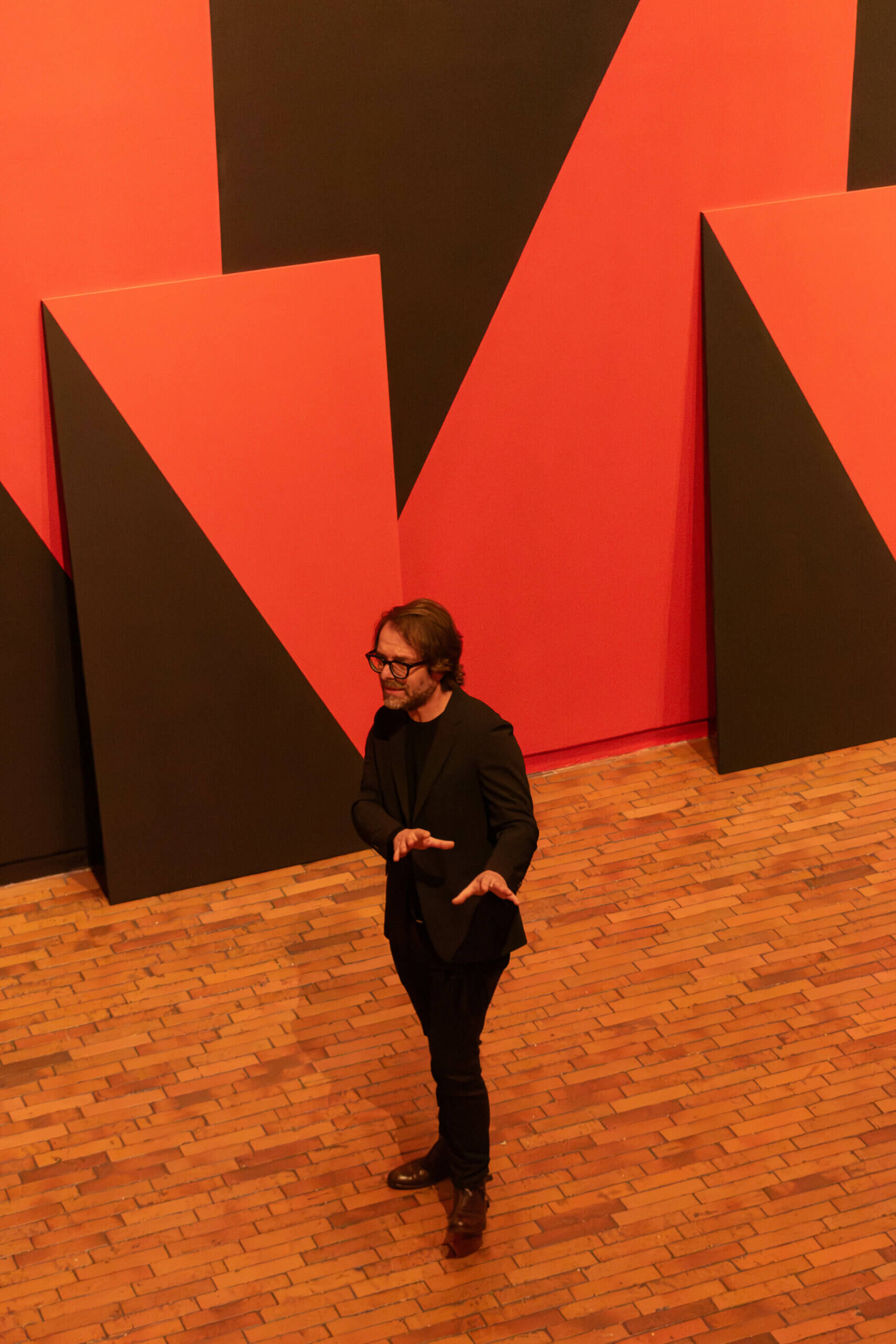
Clad Architectures (2007-2013) and Abrasive Paintings (2015-current) appropriate the visual language of modernist architecture and industrial materials, transforming geometric abstraction into a critical reflection on modernization, social inequality, and the ideological foundations of contemporary capitalism.
Together with a broader selection of works spanning different periods of the artist’s career, these sections reveal a practice committed to understanding how power is constructed, represented, and perpetuated.
Arquitecturas del poder invites viewers to reconsider the built environment as an active field where political, economic, and social forces take material form. Through rigor, irony, and formal precision, Patrick Hamilton exposes the structures that shape contemporary reality while opening spaces for critical reflection and resistance.
With the support of the Ministry of Cultures, Arts and Heritage of Chile, through the Visual Arts Secretariat.
About Patrick Hamilton

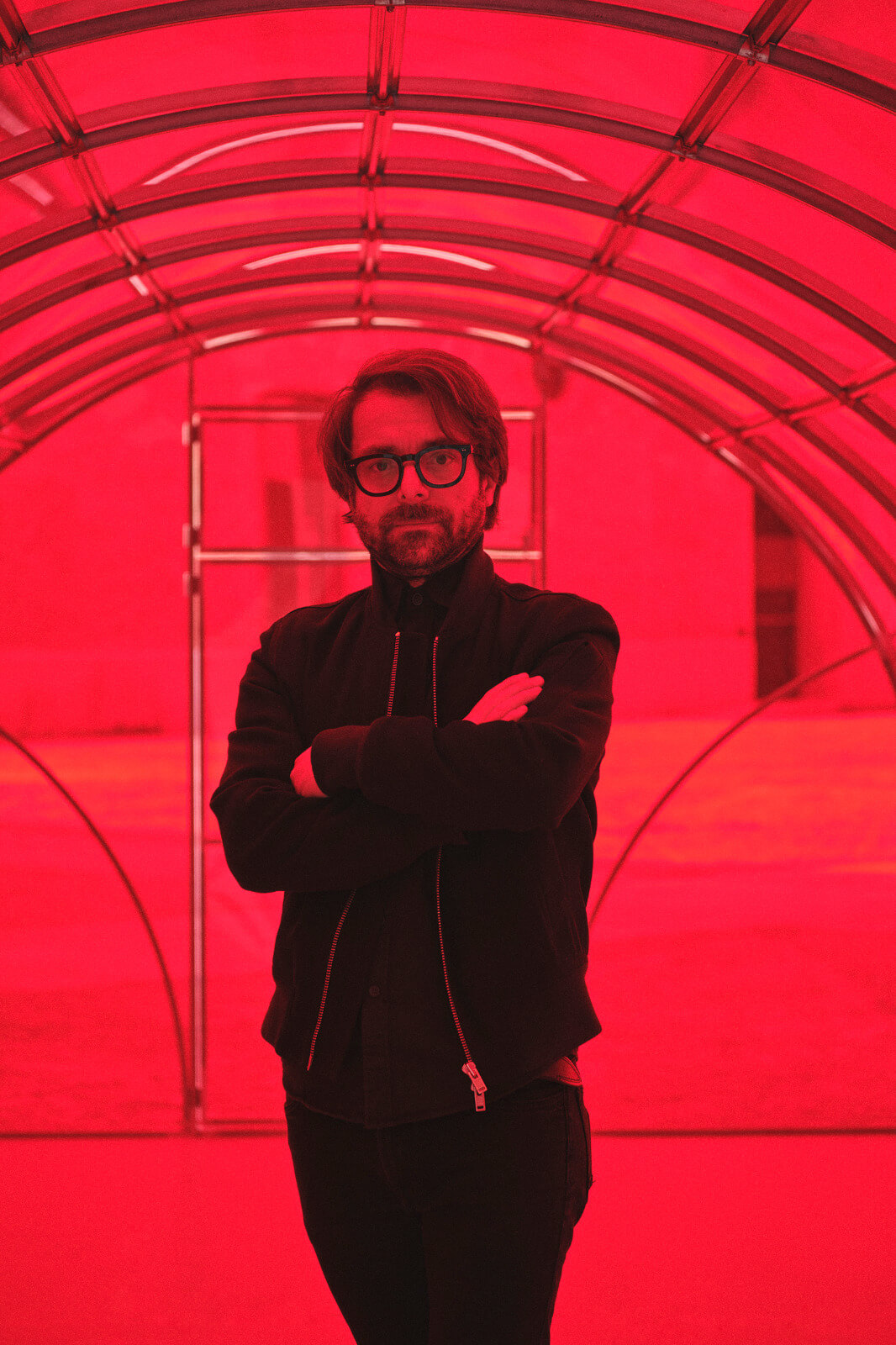
Patrick Hamilton, a Chilean interdisciplinary visual artist (b. 1974, Leuven, Belgium), whose artistic practice focuses on a critique of neoliberalism, historical memory, and social and urban transformations in Chile and Latin America. Through archival archaeology, geometry, and the use of industrial materials, he explores the consequences of the economic model implemented during the Pinochet dictatorship and its impact on the present, addressing issues such as inequality, structural violence, and cultural resistance.
Address 24th Street #6-00, Bogotá, Colombia

Opening Hours

Tuesday to Saturday: 10:00 a.m. – 6:00 p.m. Last admission: 5:15 p.m.
Sundays and public holidays: 12:00 p.m. – 5:00 p.m. Last admission: 4:15 p.m.
* Closed on Mondays and on Tuesdays following a public holiday.

For further information:

Amalia López Siegert
Communications Coordinator, MAMBO
coordinacion.comunicaciones@mambogota.com
(+57) 318 838 0149

Estefanía Otavo
Communications Assistant, MAMBO
comunicaciones@mambogota.com
(+57) 305 738 7471

Skip to content